

How Much Does Pool Resurfacing Cost in Florida? (2026 Guide)
If your pool surface is rough, stained, or starting to deteriorate, resurfacing is one of the most important upgrades you can make. In Florida, where pools are exposed to intense sun, humidity, and year-round use, pool surfaces wear out faster than in most other states.
The problem is that many homeowners wait too long — turning a simple resurfacing project into a much more expensive renovation.
In this guide, we break down pool resurfacing costs in Florida, what affects pricing, and how to know if resurfacing is the right investment for your pool.
Pool Resurfacing Cost in Florida (2026)
The cost to resurface a pool in Florida depends on the size of the pool, the condition of the surface, and the finish you choose.
Most homeowners invest between:
- $10,000 – $15,000 for standard resurfacing
- $15,000 – $22,000 for upgraded finishes
- $22,000 – $30,000+ for premium materials and larger pools
In many cases, choosing the right finish upfront can extend the lifespan of your pool and reduce long-term maintenance costs.
Pool Resurfacing Cost by Finish Type
The type of finish you choose has the biggest impact on cost, durability, and appearance.
Plaster Pool Resurfacing Cost
- Average cost: $10,000 – $15,000
This is the most affordable option, but also the most susceptible to staining and wear in Florida conditions. It provides a clean, smooth finish, though it typically has a shorter lifespan compared to premium materials.
Best for homeowners looking for a cost-effective solution.
Quartz Pool Finish Cost
- Average cost: $15,000 – $18,000
Quartz finishes are more durable than basic plaster and offer added texture and color variation. They also provide better resistance to chemicals and sunlight, making them a strong mid-range option for Florida pools.
A good balance between durability, appearance, and cost.
Pebble Pool Finish Cost
- Average cost: $18,000 – $30,000+
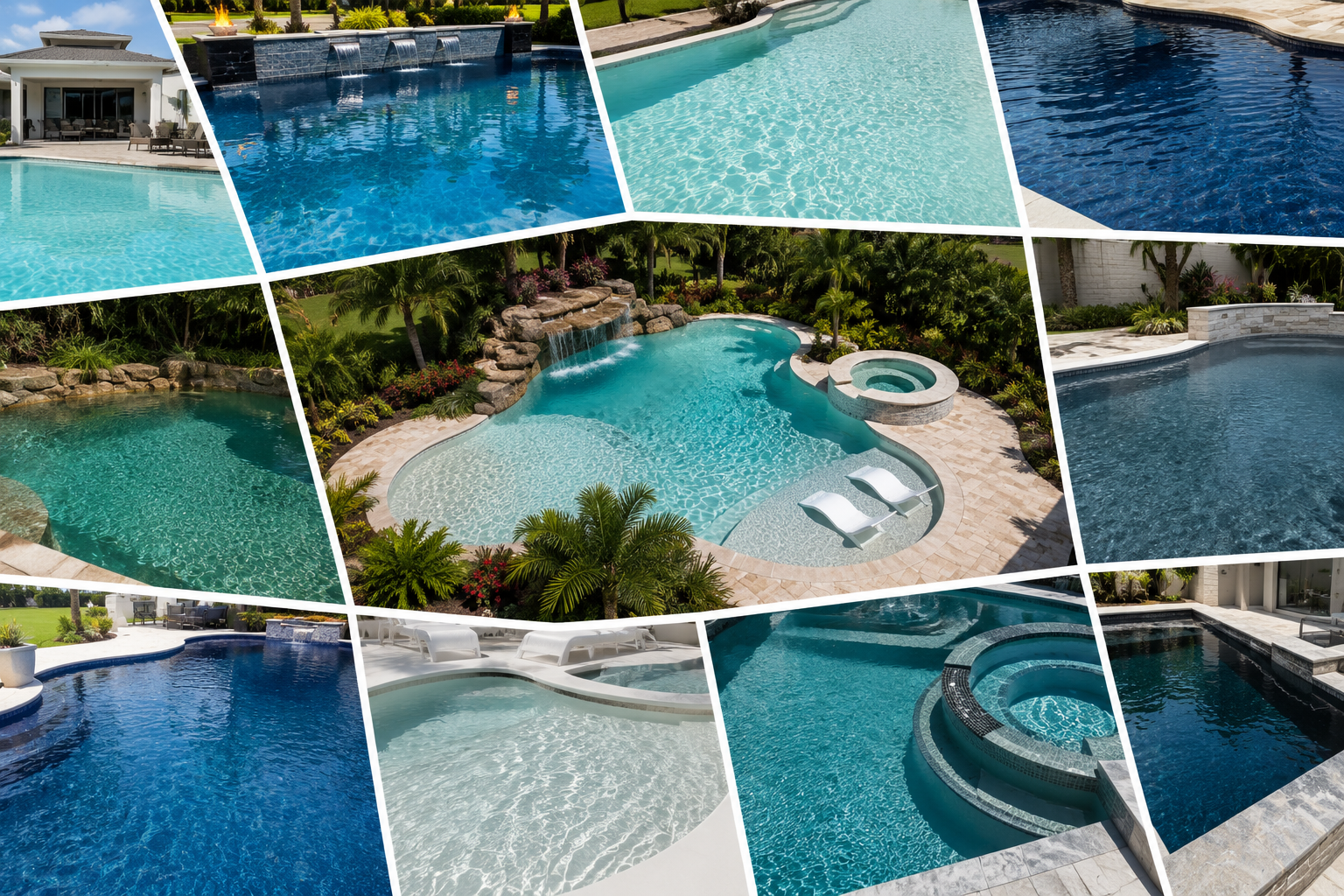
Pebble finishes are the most durable option and provide a natural, high-end look. They are highly resistant to Florida’s climate and typically require less frequent resurfacing over time.
Ideal for homeowners looking for longevity and premium design.
How Long Does Pool Resurfacing Last in Florida?
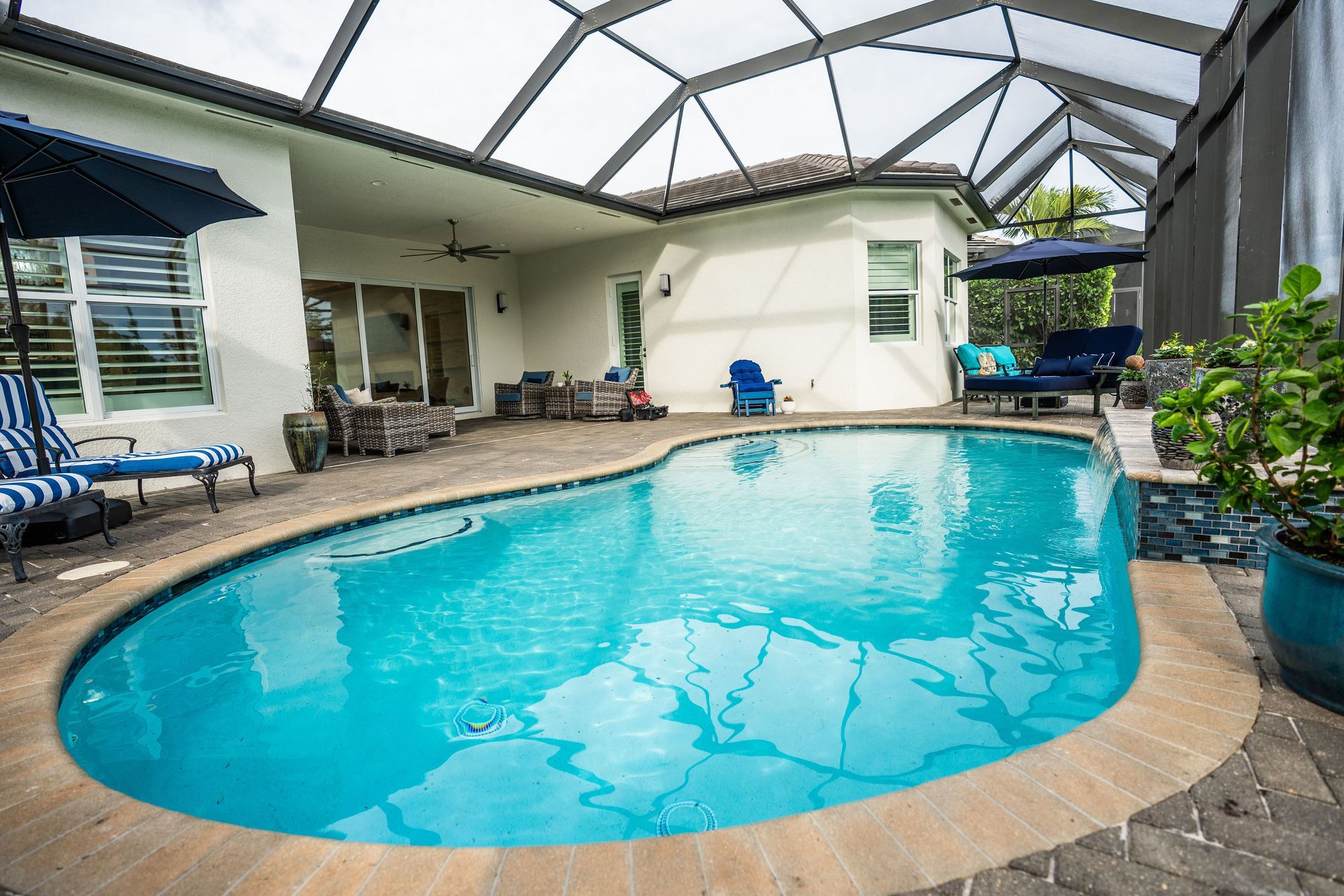
Florida conditions significantly affect how long your pool surface will last.
Typical lifespan:
- Basic Plaster: 5–10 years
- Quartz: 10–15 years
- Pebble: 12–20 years
In Southwest Florida, sun exposure, humidity, and water chemistry can shorten these timelines if the pool is not properly maintained.
Signs Your Pool Needs Resurfacing
You may need to resurface your pool if you notice:
- Rough or abrasive surface
- Stains that don’t go away
- Visible cracks or deterioration
- Discoloration or fading
- Increased chemical usage
Ignoring these signs can lead to more expensive structural issues over time.
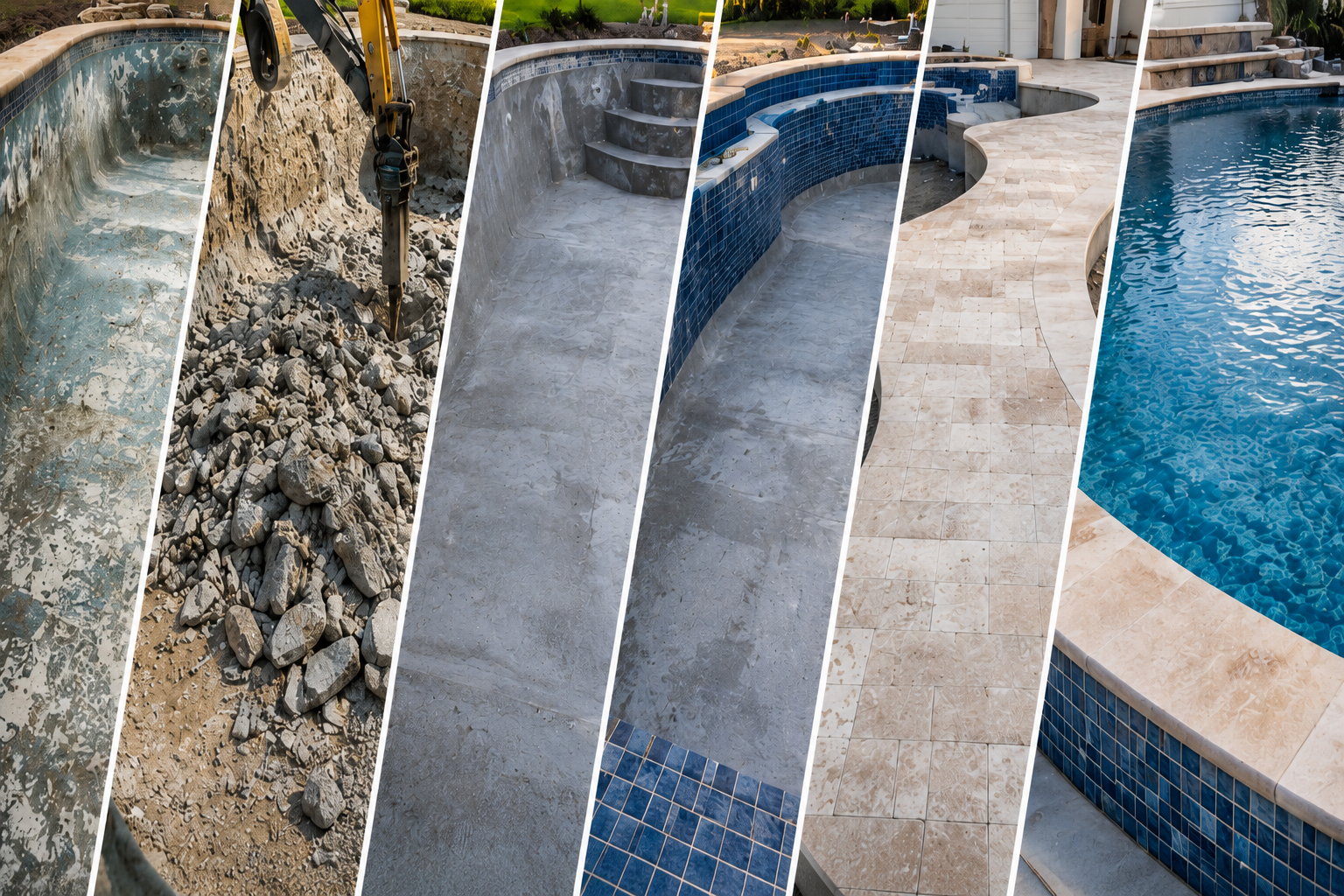
Pool Resurfacing vs Pool Renovation: What’s the Difference?
This is one of the most common questions homeowners have.
Resurfacing focuses on the interior finish of the pool
Renovation includes structural changes, decking, tile, and upgrades
If your pool structure is still in good condition, resurfacing is often the most cost-effective solution. However, if there are multiple issues, a full renovation may be the better investment.
What Affects Pool Resurfacing Cost in Florida?
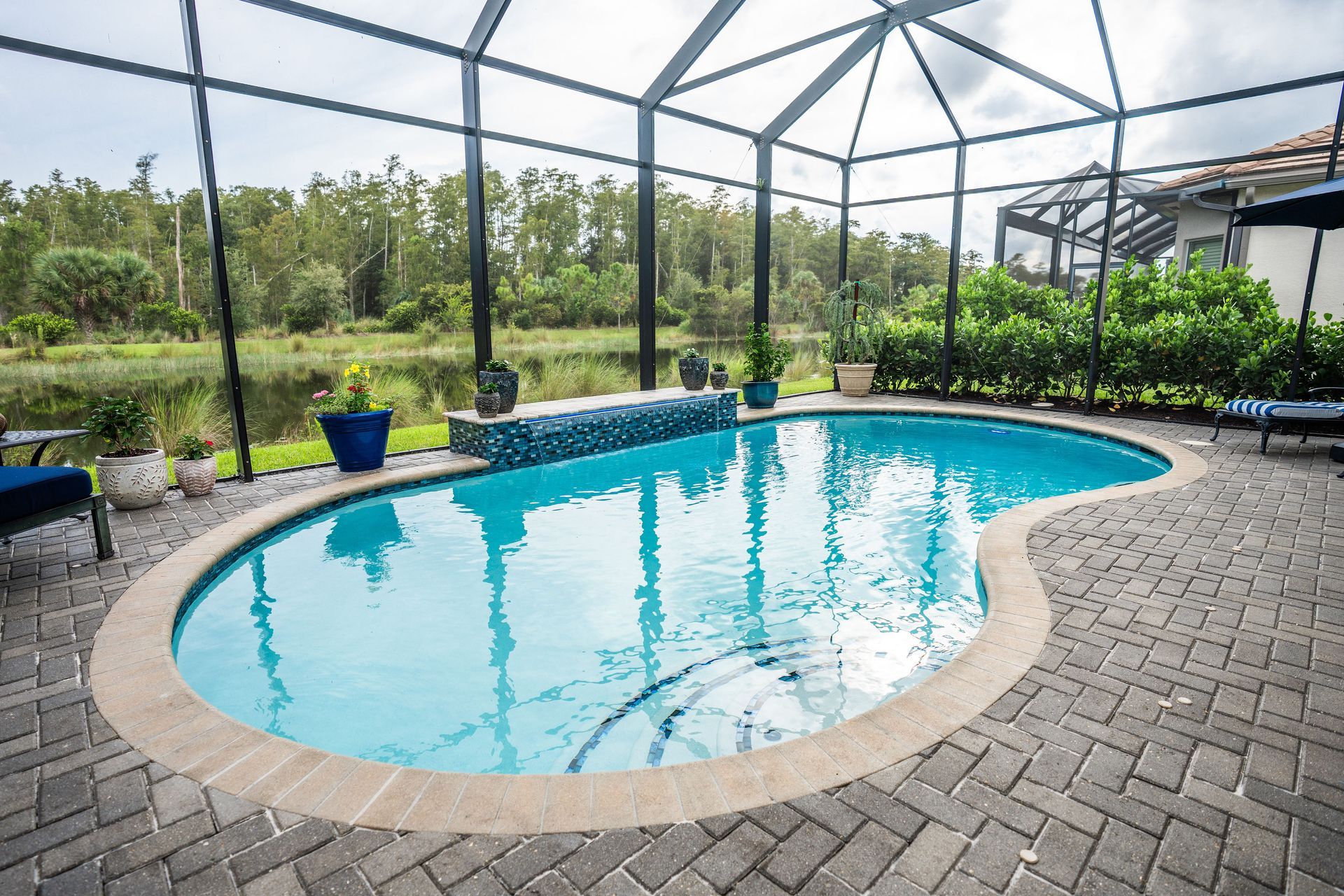
Several factors influence the final price:
- Pool size and depth
- Condition of the existing surface – pools with deeper damage may require a full chip-out, which increases cost significantly
- Type of finish selected
- Repairs needed before resurfacing
- Accessibility and labor
Pools in coastal areas may require additional preparation due to environmental exposure.
How Florida’s Climate Impacts Your Pool Surface
Florida’s environment accelerates wear and tear. In coastal areas of Southwest Florida, salt air and moisture can accelerate surface deterioration even faster.
- UV exposure breaks down finishes faster
- Heat affects chemical balance
- Humidity increases surface deterioration
- Year-round use shortens lifespan
Common Pool Resurfacing Mistakes
Homeowners often make costly mistakes such as:
- Waiting too long and turning resurfacing into structural repairs
- Choosing the cheapest finish instead of the most durable
- Ignoring early signs of deterioration
- Not maintaining proper water chemistry
These mistakes can significantly increase long-term costs.
Pool Resurfacing Cost in Southwest Florida
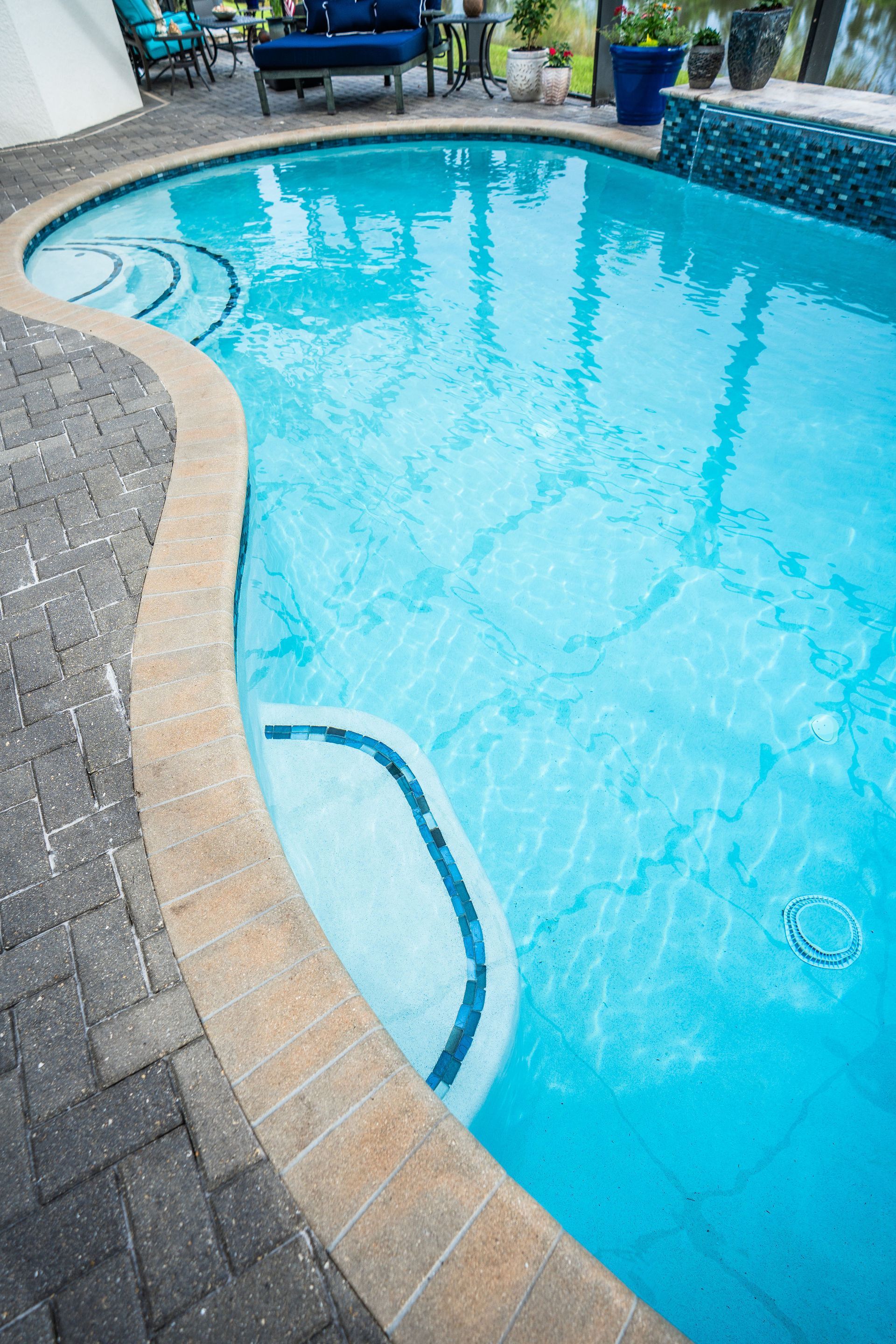
While prices are similar across Florida, local conditions and property types can influence costs.
If you're comparing costs in specific areas, you can explore our detailed guides for Punta Gorda, Venice, Port Charlotte, and other Southwest Florida locations. These guides help you understand how resurfacing fits into your overall pool investment.
Don’t Wait Until Resurfacing Becomes a Full Renovation
Resurfacing your pool at the right time can:
- Prevent structural damage
- Reduce long-term costs
- Improve comfort and appearance
- Extend the life of your pool
Waiting too long can turn a $12K project into a $30K+ renovation.
Frequently Asked Questions About Pool Resurfacing in Florida
How much does it cost to resurface a pool in Florida?
Most pool resurfacing projects in Florida range between $10,000 and $30,000+, depending on the size of the pool, the condition of the surface, and the type of finish selected.
Basic plaster resurfacing is typically the most affordable option, while quartz and pebble finishes increase both cost and durability.
How often should you resurface a pool in Florida?
In Florida, most pools need resurfacing every:
- 5–10 years (plaster)
- 10–15 years (quartz)
- 12–20 years (pebble)
Due to heat, humidity, and year-round use, pools in Florida often require resurfacing sooner than in other states.
What are the signs that a pool needs resurfacing?
Common signs include:
- Rough or abrasive surface
- Stains that won’t go away
- Cracks or visible deterioration
- Fading or discoloration
- Increased chemical usage
If you notice these issues, resurfacing may be necessary to prevent further damage.
Can You Resurface a Pool Without Replacing Tile or Deck?
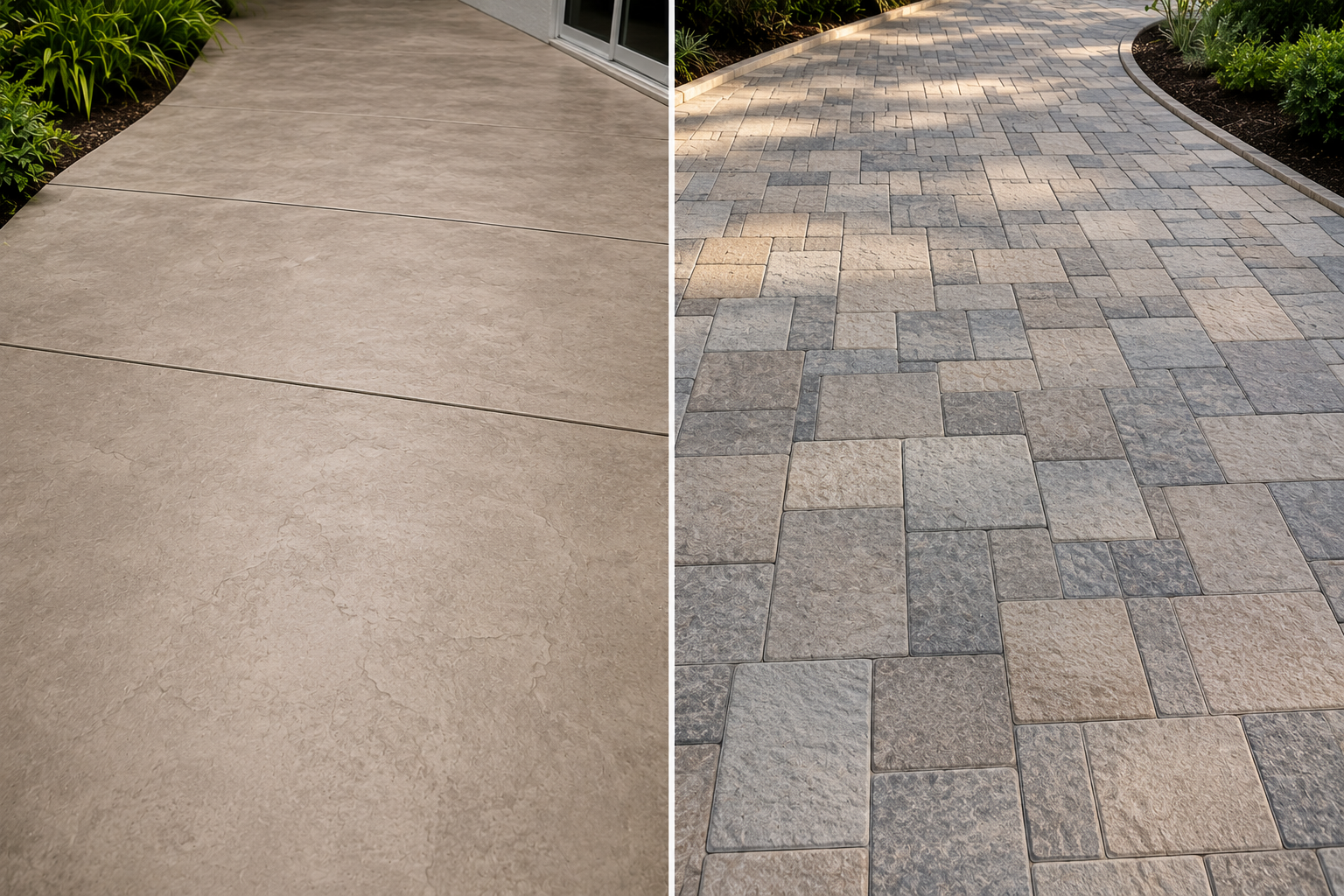
Yes — in many cases, resurfacing only affects the interior finish of the pool. However, if tile or decking is damaged or outdated, many homeowners choose to upgrade these at the same time.
Is pool resurfacing worth it in Florida?
Yes — in most cases, resurfacing is a cost-effective way to extend the life of your pool without a full renovation. It improves comfort, appearance, and water quality while helping prevent more expensive structural repairs.
What is the cheapest way to resurface a pool?
The most affordable way to resurface a pool is with a marcite (standard white plaster) mix, made from cement and fine sand. It provides a smooth, clean finish at the lowest upfront cost compared to other materials.
However, while marcite is budget-friendly, it is also more porous and tends to wear faster, meaning it may need to be resurfaced sooner than more durable options like quartz or pebble finishes.
What is the best pool finish for Florida?
Quartz and pebble finishes are often considered the best options for Florida because they are more resistant to heat, chemicals, and heavy usage.
The right choice depends on your budget, maintenance preferences, and desired appearance.
How long does pool resurface take?
Most pool resurfacing projects take between 5 to 10 days, depending on the size of the pool, weather conditions, and any repairs needed before applying the new finish.
Can I resurface my pool without draining it?
No — proper resurfacing requires draining the pool to prepare the surface, repair any damage, and apply the new finish correctly.
What happens if you don’t resurface your pool?
What starts as a simple resurfacing project can turn into a full renovation if ignored. Delaying resurfacing can lead to:
- Structural damage
- Leaks
- Increased maintenance costs
- More expensive repairs
Resurfacing a pool in Florida depends on the condition of your pool. If the structure is in good condition, resurfacing is often the most cost-effective solution. If there are multiple issues, a full renovation may be necessary.
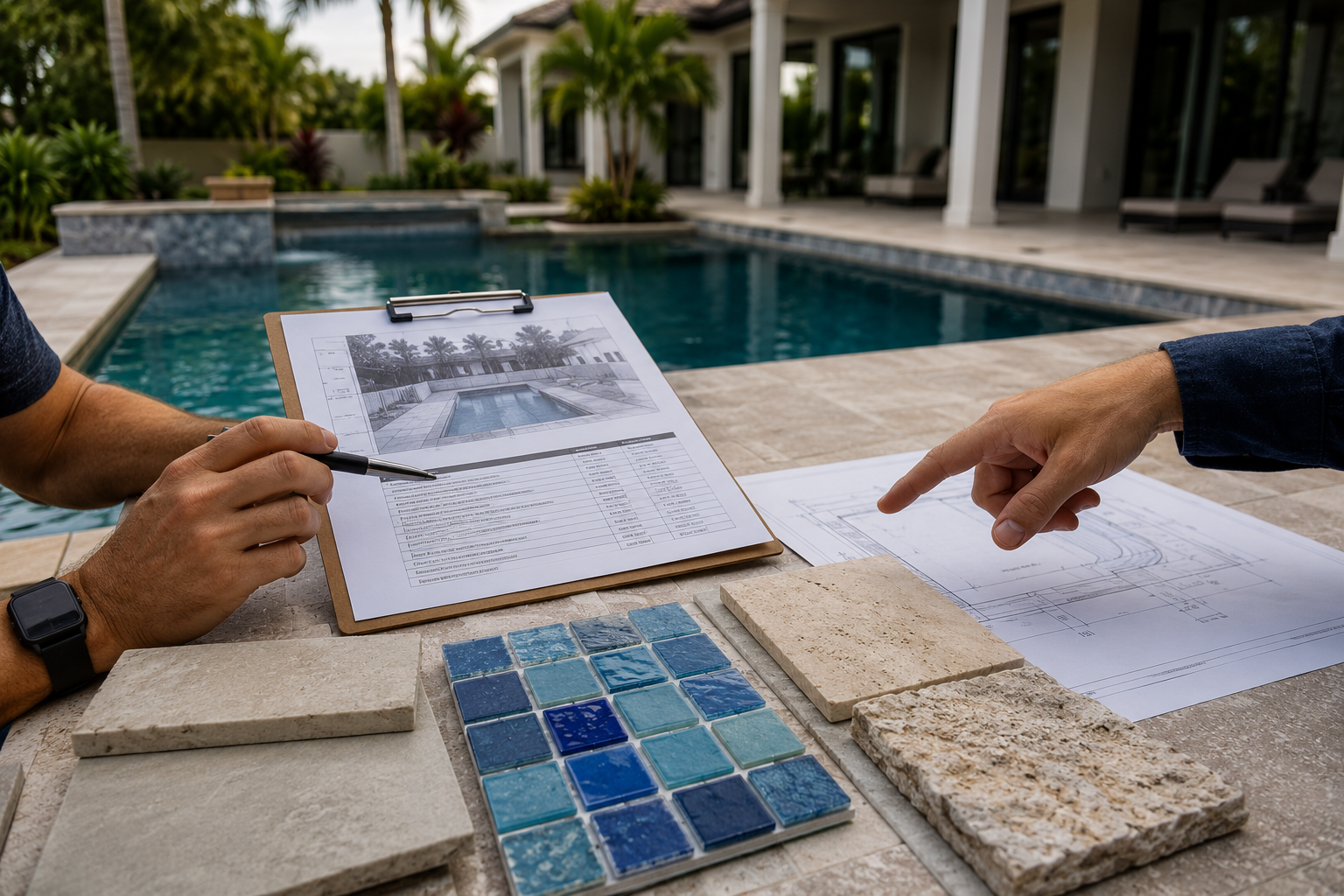
Get a Professional Pool Resurfacing Evaluation
Not sure if your pool needs resurfacing — or if you’re already past that point?
We’ll evaluate your pool and tell you exactly what it needs, so you don’t overspend or wait too long. Contact us today to get a professional pool resurfacing evaluation.
 GET A FREE ESTIMATE NOW