
Concrete vs Fiberglass Pools: Which Is Better? Cost, Pros & Cons (2026)
Choosing between a concrete and fiberglass pool is one of the most important decisions you’ll make when building or remodeling your backyard. When comparing concrete vs fiberglass pools, many homeowners ask: which one is better in terms of cost, maintenance, and durability?
In this guide, we break down the key differences between concrete and fiberglass pools, including cost, durability, installation time, and maintenance—so you can confidently choose the best option for your home.
Quick Comparison: Concrete vs Fiberglass Pools
Feature Concrete Pools Fiberglass Pools
Installation time 3–6 months 1–4 weeks
Maintenance Higher Lower
Custom design Unlimited Limited by shell shapes
Surface texture Rougher Smooth
Long‑term cost Higher Typically lower
Lifespan Long (25–50 yrs+) Long (25–35+ yrs)
Fiberglass = faster, easier, lower maintenance
Concrete = more flexible, more customizable, higher upkeep
Concrete Pool Maintenance, Repair Needs & Lifespan
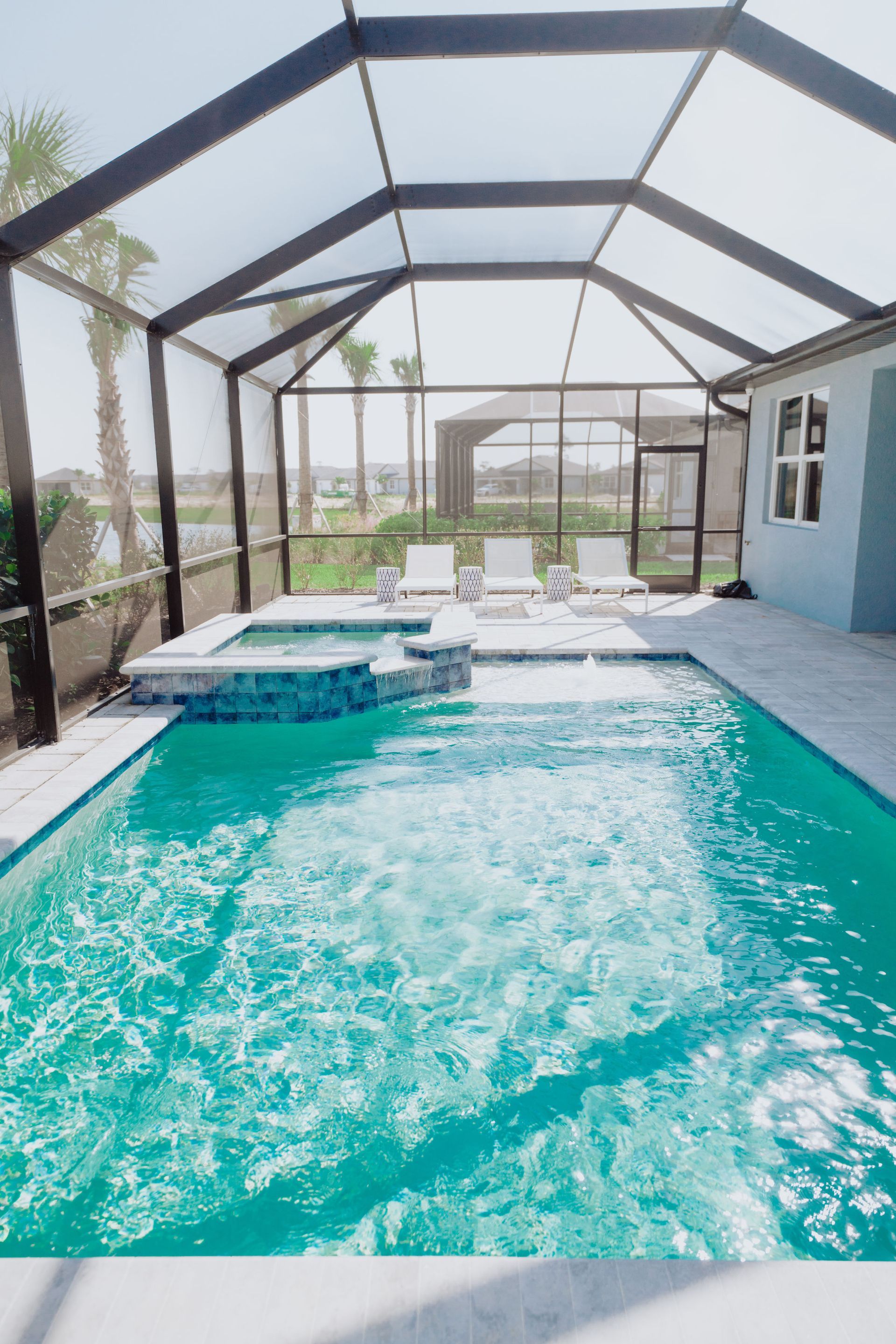
Concrete pools may present a range of structural issues that can require significant maintenance and repair:
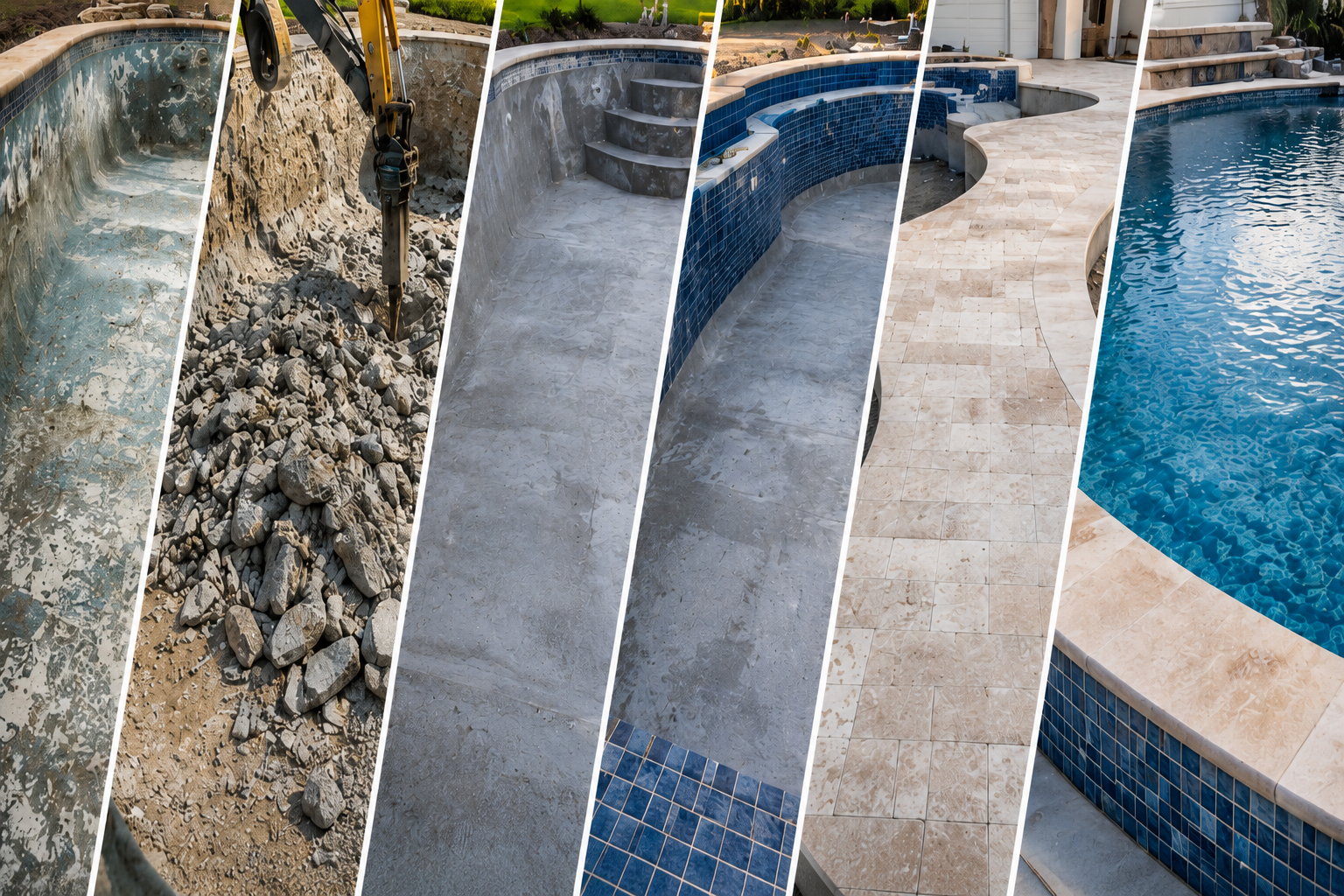
- Surface Durability: A properly maintained concrete pool surface typically lasts 10 to 15 years before resurfacing is needed. Concrete resurfacing involves applying a new layer of plaster, pebble, or quartz finish to restore the surface. These finishes are durable and provide a strong, protective layer that can handle heavy use.
- Resistance to Stains and Wear: Concrete surfaces are more prone to staining compared to fiberglass due to their porous nature. However, resurfacing with modern materials like pebble or quartz finishes can enhance stain resistance and improve the surface's appearance over time.
- Surface Maintenance Requirements: Concrete pools require more maintenance to keep the surface in good condition. Regular brushing and more frequent chemical balancing are necessary to prevent algae growth and calcium deposits, especially in areas with hard water.
Durability
- Resistance to Environmental Conditions: Concrete is highly resistant to temperature fluctuations and can withstand a wide range of weather conditions. However, extreme freeze-thaw cycles may cause surface cracking or scaling if the pool is not winterized properly.
- Long-Term Stability: Concrete pools are known for their structural strength and stability, which can last for decades with proper care. The rigid structure provides strong resistance to ground movement, but minor cracking or surface wear may still occur over time and require repair.
Cracking Concerns
- Structural cracks due to ground movement
- Surface cracks from concrete settling
- Potential for water leakage through cracks
Common Repair Issues
- Structural shifting
- Ground settlement
- Hydrostatic pressure
- Chemical imbalance leading to surface degradation
Factors Increasing Repair Needs
- Poor initial installation
- Extreme climate conditions
- Improper chemical balance
- Ground movement
- Age of the pool
Maintenance Frequency
- Annual professional inspection recommended
- Potential repairs every 10 years
- More frequent in areas with:
- Unstable soil
- Extreme temperature fluctuations
- High water table
Long-Term Considerations
- Higher lifetime maintenance costs
- More complex repair processes
Average Lifespan
- Typical lifespan: 25-50 years with proper maintenance
- Can require significant renovation after 10-15 years
Fiberglass Pool Maintenance & Durability
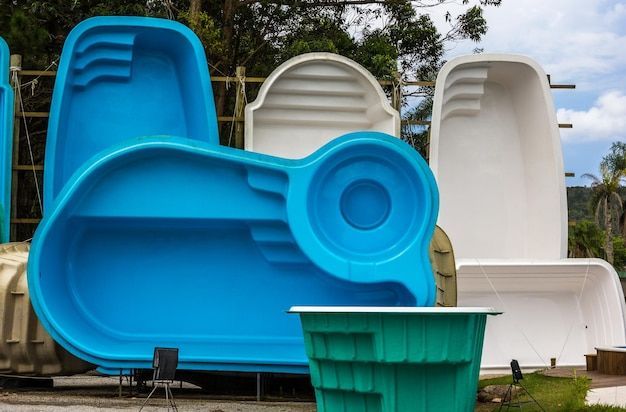
In Florida, fiberglass pools structural repair needs are generally lower compared to concrete pools. They have minimal structural degradation due to material's inherent strength and are typically resistant to cracking and shifting.
Resurfacing
- Surface Durability: Fiberglass resurfacing provides a smooth, non-porous surface that is highly durable, reducing the risk of cracks and leaks. The gel coat applied during resurfacing enhances the strength and longevity of the pool.
- Resistance to Stains and Wear: Fiberglass surfaces are known for their excellent resistance to stains, algae buildup, and discoloration. The smooth finish prevents debris and organic material from adhering easily, minimizing staining.
- Surface Maintenance Requirements: The low-porosity surface of fiberglass makes maintenance easier, requiring less frequent cleaning and fewer chemical treatments. Routine brushing and balanced water chemistry are usually sufficient to keep the surface in good condition.
Durability
- Expected Lifespan: With proper maintenance, a fiberglass pool surface can last 15 to 20 years or longer before resurfacing is needed. The initial resurfacing can extend the lifespan even further, providing many more years of use.
- Resistance to Environmental Conditions: Fiberglass is highly resistant to temperature fluctuations, UV exposure, and harsh pool chemicals. It maintains its structural integrity even in extreme weather conditions, reducing the risk of damage.
- Long-Term Stability: Fiberglass pools offer superior stability due to their flexible nature, which allows them to withstand ground movement and settling without cracking. The reinforced surface helps prevent deterioration over time, ensuring consistent performance.
Most Common Repair Types
- Surface Gel Coat Repairs
- Cosmetic surface restoration
- Structural crack repairs
- Fitting and fixture repairs
- Potential water leakage points
- Sealant replacement or fixture re-securing
Ease of Repair
- Relatively straightforward compared to other pool materials
- Specialized fiberglass repair kits available
- Professional repair recommended for significant structural issues
- Quick repair turnaround compared to concrete pools
- Minimal invasive repair techniques
Key Advantages
- Durable material
- Lower long-term maintenance
- Faster repair processes
- Less extensive repair techniques
Maintenance Frequency
- Annually professional inspection of structural integrity
- Every 10-15 years: Possible gel coat resurfacing
Long-Term Considerations
- Initial higher investment offset by lower maintenance costs
- Resistant to algae growth due to smooth, non-porous surface
- Stable chemical consumption due to inert surface
- May need occasional gel coat touch-ups
Average Lifespan
- 25-35 years
- Many last 50 years with proper maintenance
- Gel coat typically lasts 15-20 years before needing attention
- Structure itself remains stable indefinitely if properly installed
Factors Affecting Durability
- Proper ground preparation
- Correct backfilling
- Professional installation team expertise
- Soil stability
- Groundwater conditions
- Regular maintenance
- Prompt repair of minor issues
- Proper winterization in cold climates
Concrete Pools: Pros and Cons
Advantages
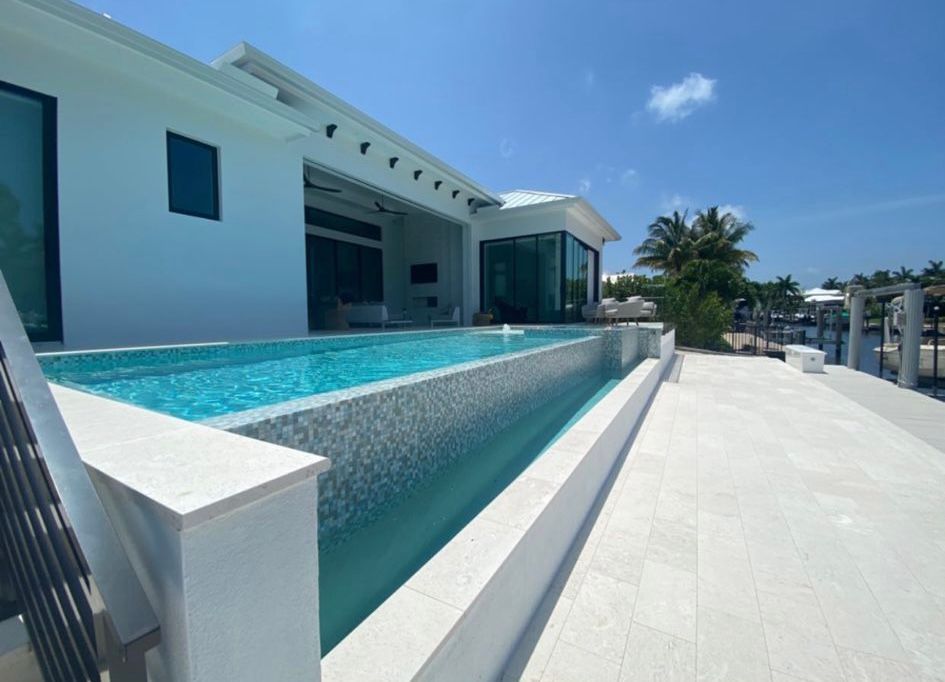
- Shape Customization: Concrete pools offer unparalleled flexibility in design, allowing for any shape, size, or depth the client desires.
- Adaptability to Complex Terrains: Ideal for sloped, uneven, or irregular terrains, concrete pools can be built to fit almost any landscape.
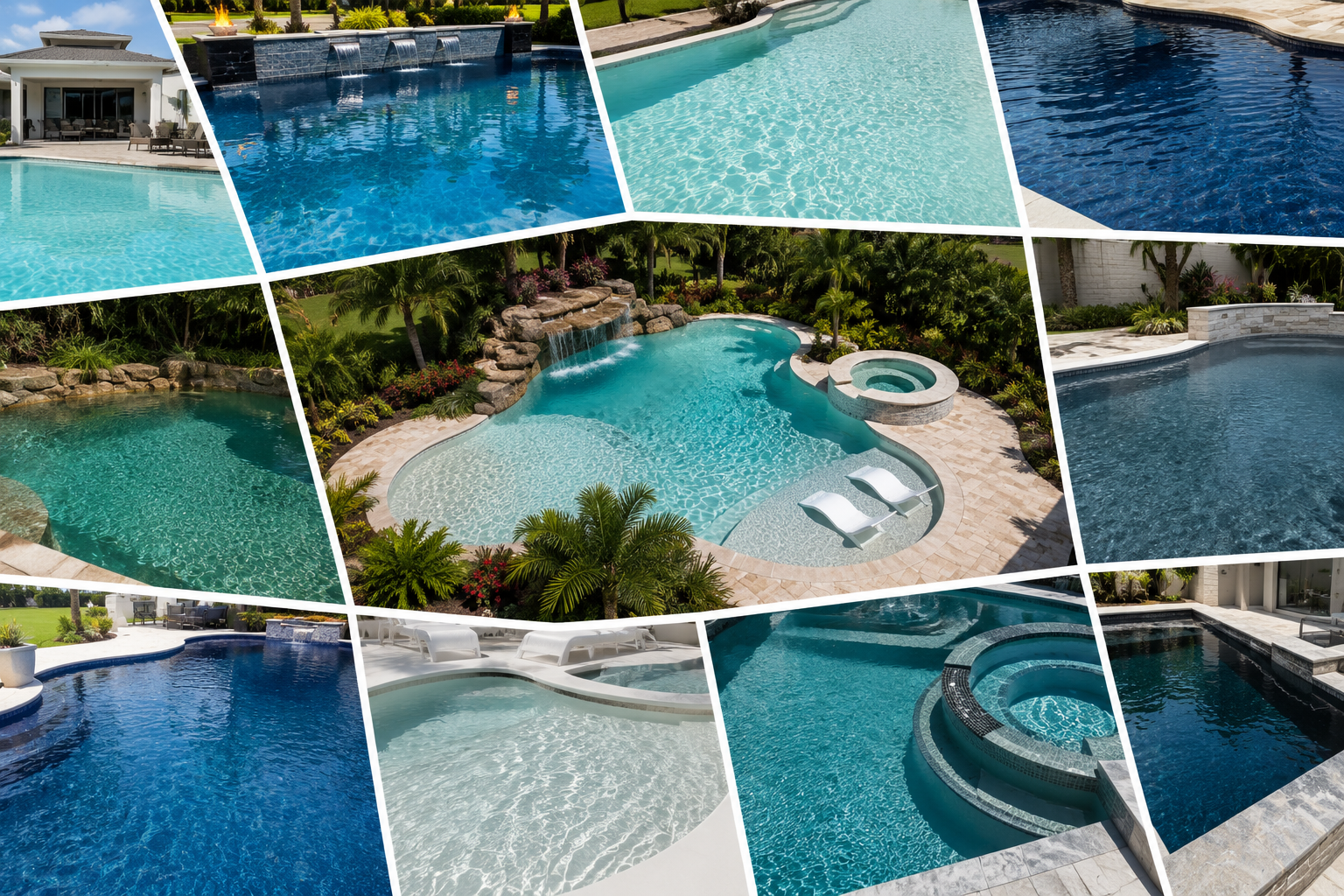
- Unique Design Possibilities: Concrete allows for a variety of finishes (plaster, pebble, quartz) and additional features like vanishing edges, tanning ledges, and built-in seating, catering to unique aesthetic preferences.
Limitations
- Higher Maintenance: Concrete surfaces are porous, requiring regular brushing, chemical balancing, and occasional acid washing to prevent algae growth and staining.
- Higher Repair Costs: Repairs, such as resurfacing or fixing cracks, tend to be more expensive and labor-intensive compared to fiberglass.
- Potential Cracking: Due to its rigid structure, concrete is susceptible to cracking, especially in areas with significant ground movement or freeze-thaw cycles.
Best for:
- Clients seeking custom designs and specific shapes that are not possible with prefabricated options.
- Irregular terrains where a flexible installation approach is necessary.
- Those who value unique aesthetics and are willing to invest in a high-end, one-of-a-kind pool experience.
Fiberglass Pools: Pros and Cons
Advantages
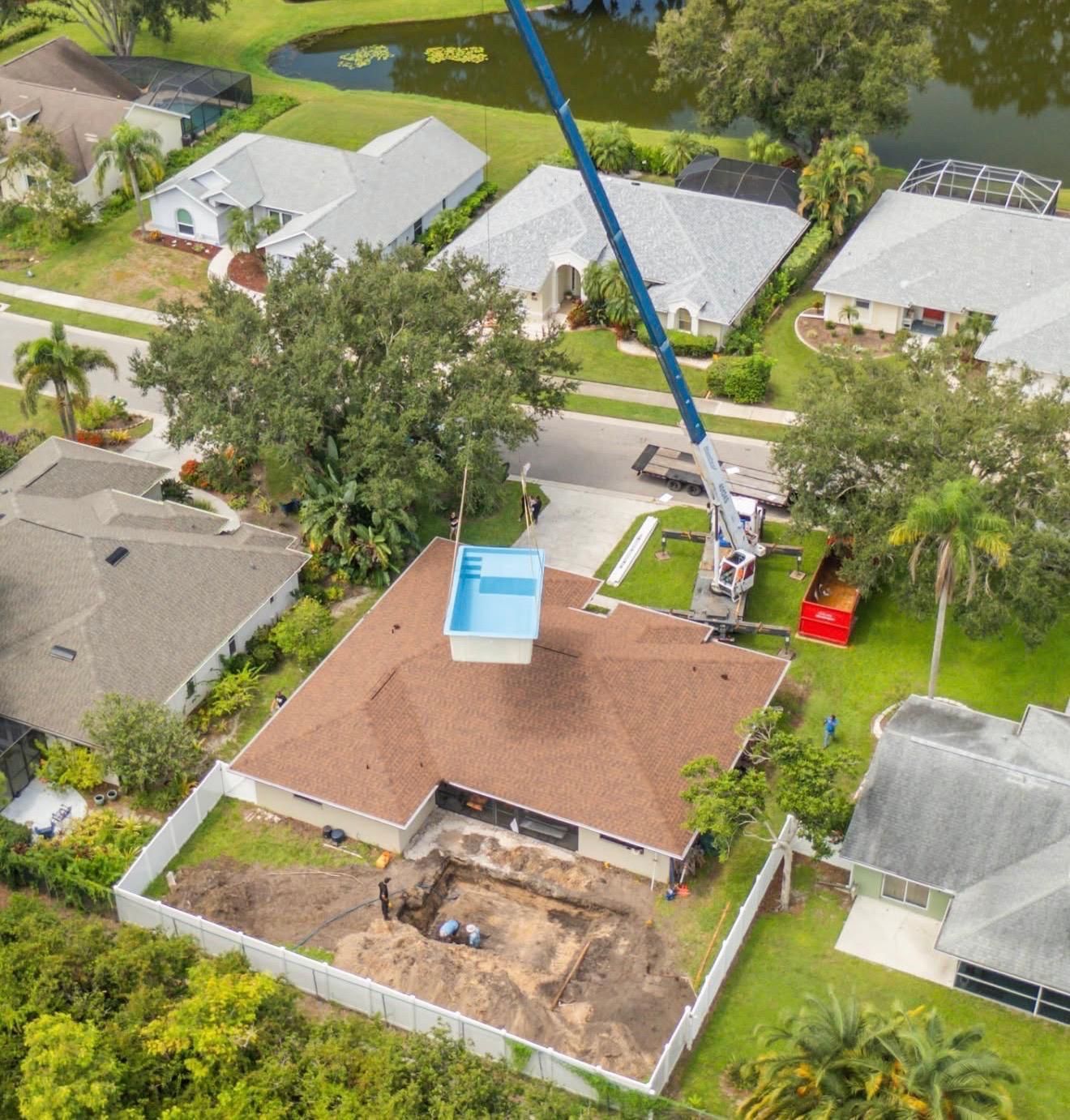
- Quick Installation: Fiberglass pools are pre-fabricated, allowing for installation in as little as a few days, significantly faster than concrete pools.
- Low Maintenance: The non-porous surface resists algae growth, requiring fewer chemicals and less frequent cleaning.
- Smooth Surface: The gel coat finish provides a smooth, non-abrasive surface, making it comfortable for swimmers and reducing the risk of scratches.
- Chemical Resistance: Highly resistant to pool chemicals, including chlorine, which helps preserve the surface and prolong its lifespan.
Limitations
- Predetermined Designs: Since fiberglass pools are pre-molded, they come in set shapes and sizes, limiting customization options.
- Complex Transportation and Installation: The one-piece structure can be challenging to transport and install, especially in areas with limited access or tight spaces.
Best for:
- Clients seeking quick installations with minimal disruption.
- Homeowners who prefer low-maintenance options with fewer chemical requirements.
- Regions with variable climate conditions, as the flexible material can withstand temperature fluctuations better than concrete.
In general, fiberglass pools are better for homeowners looking for low maintenance, while concrete pools are better for customization.
Which Pool Is Best For You?
- Choose Fiberglass if:
- You want low maintenance
- Faster installation & minimal disruption
- Smooth surface and fewer chemicals
- Less long‑term upkeep
- Choose Concrete if:
- You want a fully custom shape/design
- Unlimited features (rockwork, beach entry, etc.)
- You’re okay with more maintenance for a tailored look
Ready to Decide?
Get a free consultation with Gold Standard Pools today — we’ll help you choose the best option based on your goals, budget, and site.
 GET A FREE ESTIMATE NOW