

Why Proper Drainage Is Critical for Your Pool and Deck
A well-built pool is one of the best investments for any Florida home—but without proper pool drainage, that investment can deteriorate faster than most homeowners expect. Florida’s unique combination of heavy rainfall, sandy soil, high humidity, and hurricane-season storms makes drainage one of the most critical elements of pool longevity. Yet, it’s also one of the most overlooked.
Most homeowners notice surface-level issues—puddles around the deck, slippery spots, or water running toward the house—but the real dangers happen beneath the surface, where poor drainage can quietly cause structural damage, shifting soils, equipment failure, and deck cracking. Whether your pool is new or decades old, understanding how the pool drainage system works (and when it fails) can save you thousands of dollars in repairs.
Below, you’ll find a homeowner-friendly guide to why proper drainage around a pool is essential, what can go wrong, how to identify early warning signs, and the best solutions recommended by professional pool contractors in Florida.
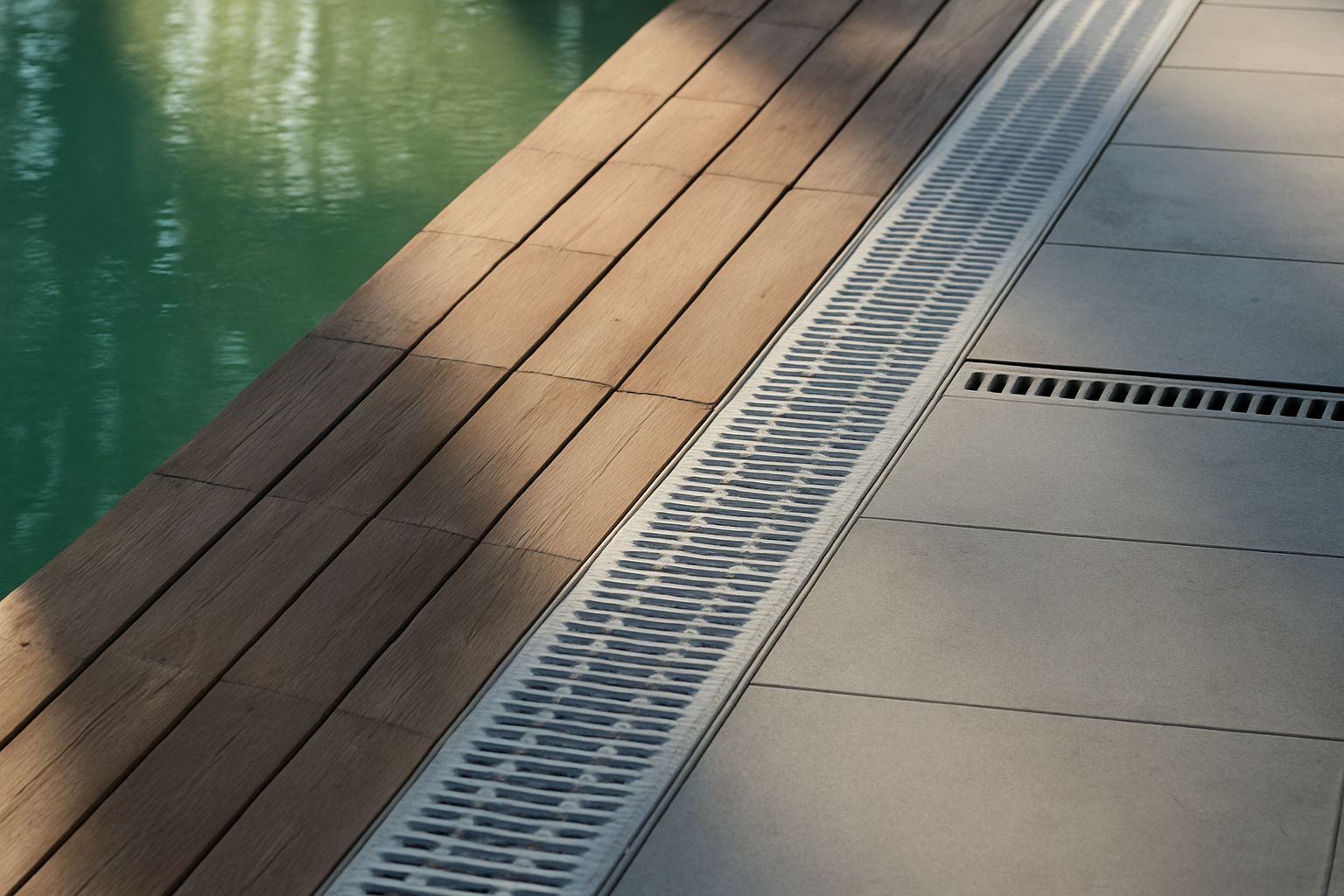
1. How Poor Drainage Damages Your Pool and Deck
When water cannot move away from the pool area efficiently, it begins to collect around the deck, equipment pad, and the soil supporting the pool shell. This leads to several serious complications:
Standing Water Around the Pool (Slip Hazards & Surface Damage)
One of the earliest and most visible issues is standing water on the deck surface. Even small puddles indicate the deck isn’t graded correctly or that the deck drains are clogged.
Standing water leads to:
- Surface discoloration
- Slippery algae growth
- Faster deterioration of pavers, concrete, or travertine
- Weakened joint sand in paver decks
In Florida’s humidity, algae can form within hours, turning a minor drainage issue into a constant maintenance headache.
Soil Erosion Beneath the Deck and Pool Shell
Florida’s sandy soil becomes unstable when water repeatedly saturates it. Poor drainage allows water to settle under the deck, which causes:
- Voids beneath pavers
- Hollow-sounding concrete areas
- Shifting tiles or coping
- Uneven deck elevation
Over time, erosion can also compromise the structural support of the pool shell itself.
Deck Cracks Due to Expansion and Moisture Pressure
Concrete decks naturally expand and contract, but when water is trapped beneath the surface, the pressure amplifies and results in:
- Spiderweb cracks
- Raised sections
- Separation between the deck and coping
Homeowners commonly assume these cracks are normal aging, but in reality, they’re often symptoms of drainage failure.
Flooding Into the Pool (Debris, Sediment, and Chemical Imbalance)
Improper grading or insufficient deck drains allow stormwater to wash: Soil, fertilizer, mulch, leaves and bacteria directly into the pool, causing cloudy water, algae blooms, and rapid chemical depletion. Stormwater contamination is one of the main reasons pools turn green after Florida storms.
Stress on Equipment and Plumbing Systems
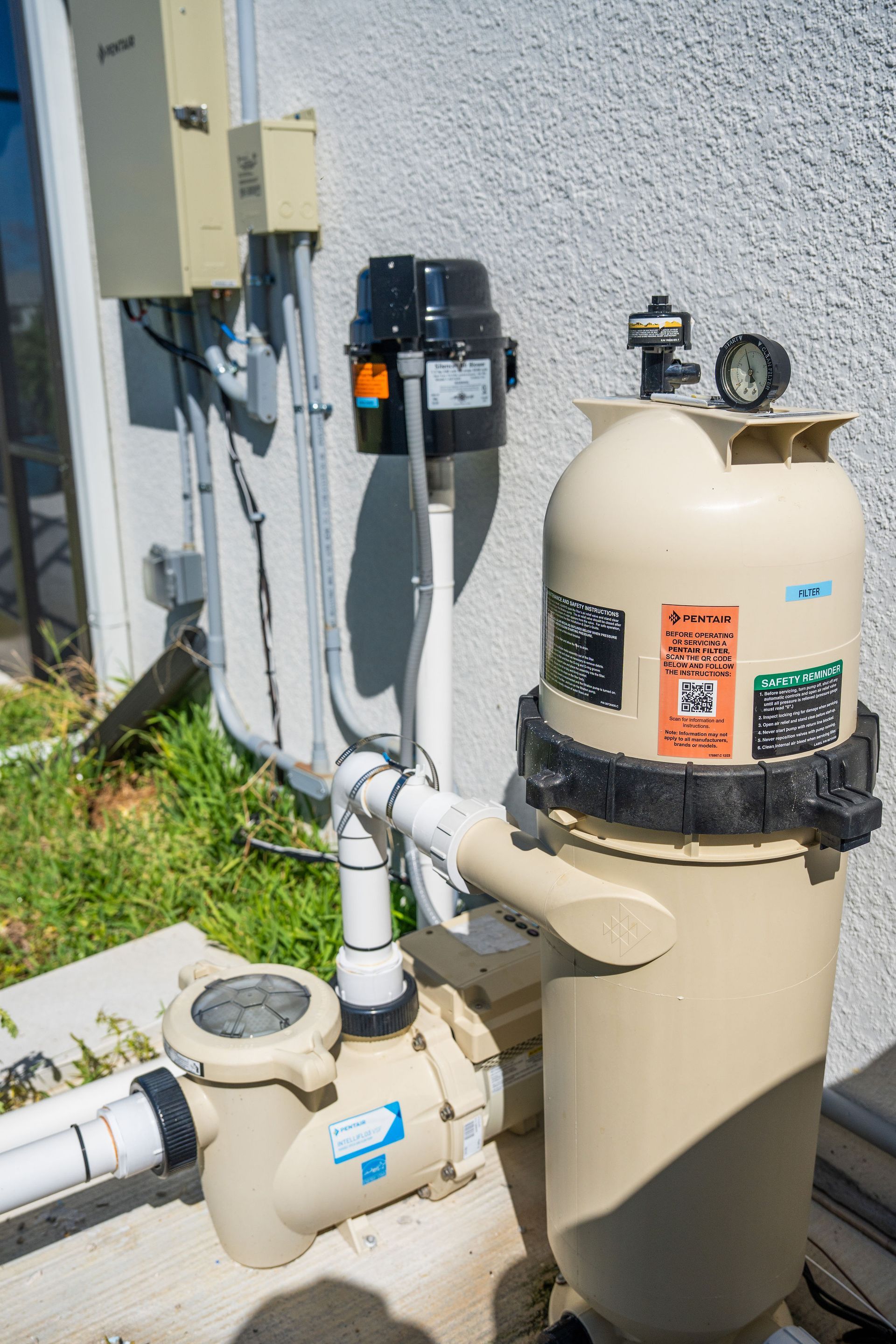
Proper drainage around equipment is just as important as drainage around the deck. When the area around the equipment pad floods, it may:
- Corrode electrical components
- Shorten the lifespan of pumps and heaters
- Stress underground plumbing
- Cause leaks where pipes flex under unstable soil
2. Why Drainage Is Even More Important in Florida
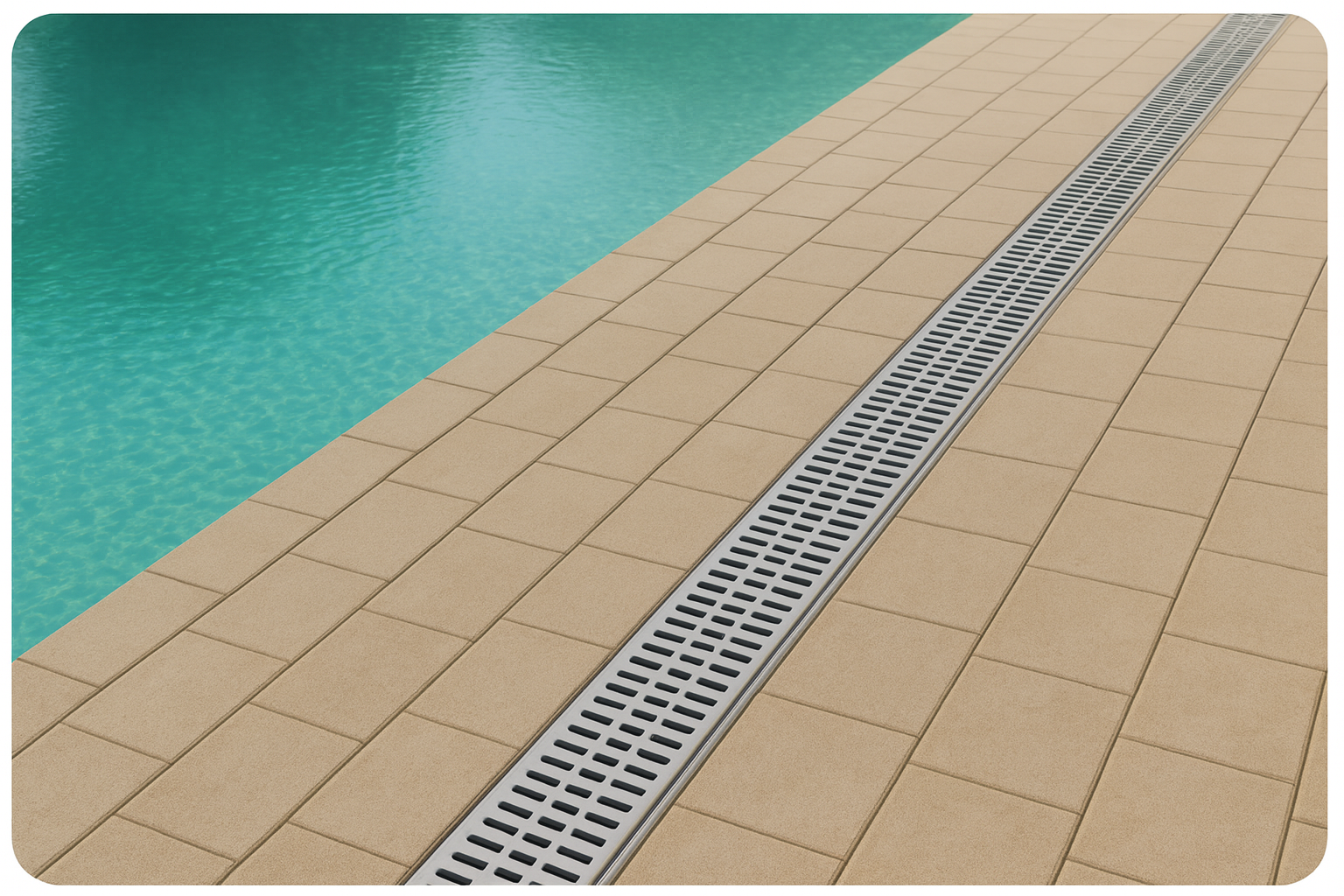
Drainage is especially critical in Florida because the state’s climate and soil conditions create constant water-management challenges. Southwest Florida regularly sees sudden rain bursts that can drop several inches in minutes, overwhelming any deck that only drains “mostly fine.”
Many neighborhoods sit on high water tables, meaning groundwater is already just a few feet below the surface. Without proper grading or French drains, excess water has nowhere to go.
During hurricane season, storm surges and heavy winds push water toward the pool from multiple directions—not only from above. And to make matters worse, Florida’s sandy soils shift easily when saturated, which can undermine decks, pool structures, and equipment pads if drainage isn’t designed correctly.
3. Signs Your Pool Drainage System Needs Attention
Homeowners often overlook early warnings because they seem minor, but they indicate bigger problems forming. If you’re seeing more than one of these signs, the drainage issue is already affecting your pool’s structure or foundation:
- Persistent puddles on the deck
- Areas where water drains toward the pool instead of away
- Deck tiles lifting or becoming uneven
- Erosion along the outer edges of the deck
- Mulch or soil washing into the pool
- Water pooling near the equipment pad
- Cracks forming along coping lines
- Musty smell around the deck (indicates moisture trapped under concrete)
4. The Most Effective Drainage Solutions for Florida Pools
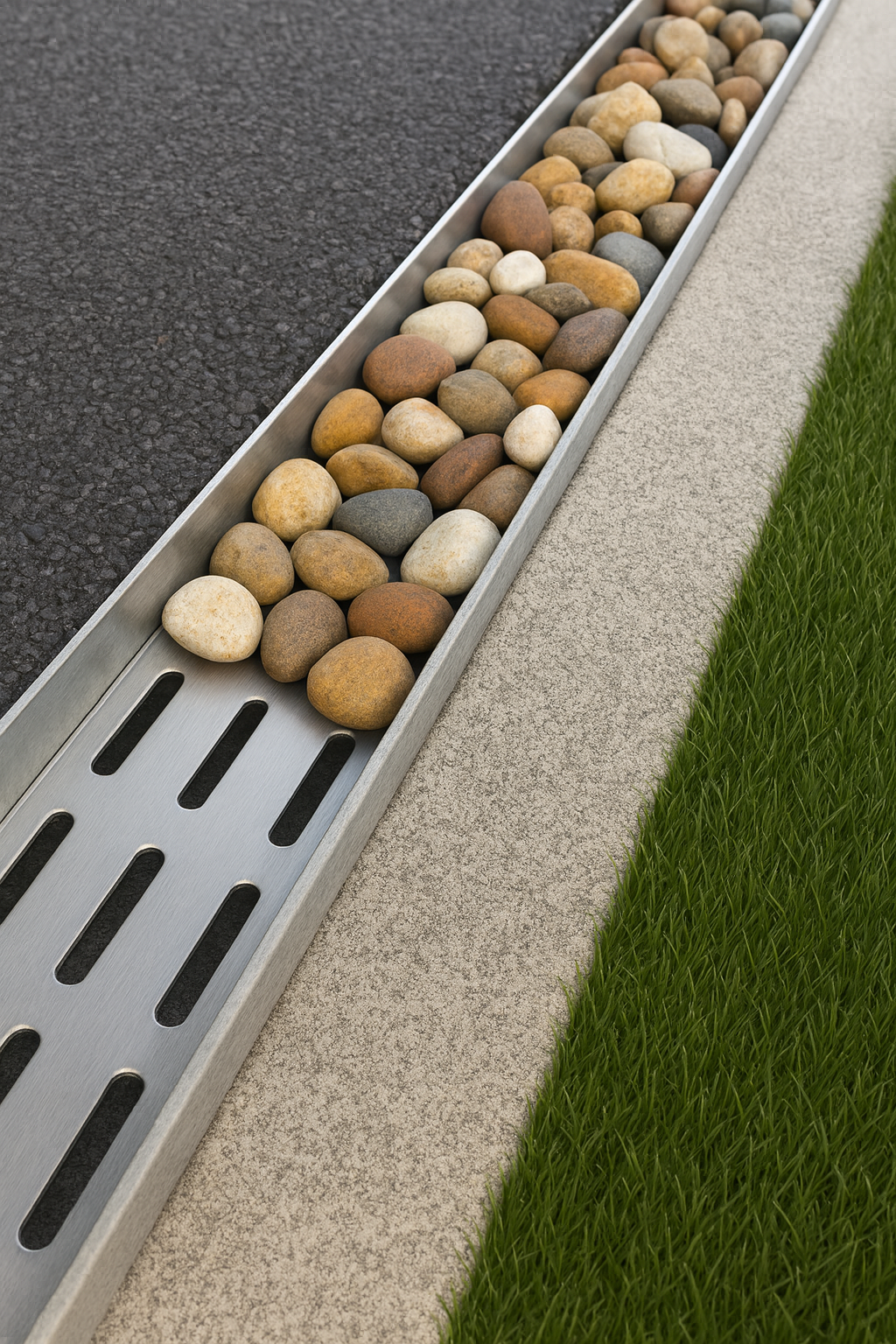
Depending on the severity and the property layout, a pool contractor may recommend one or a combination of the following drainage solutions:
1. Channel Drains (Deck Drains)
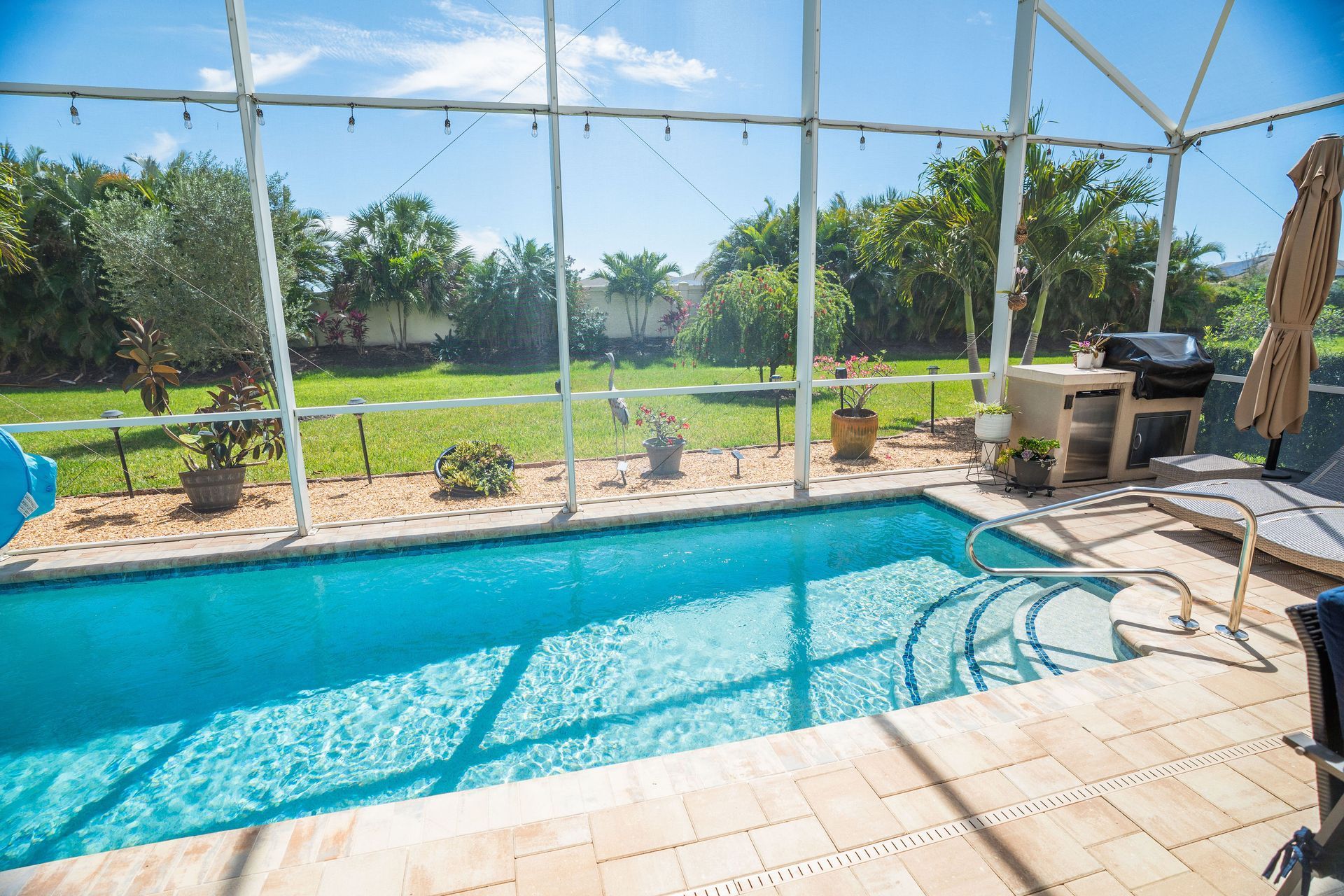
A must-have for pools surrounded by concrete decks. These drains collect surface water and redirect it safely away.
Benefits:
- Excellent for flat Florida yards
- Prevents standing water
- Easy to maintain
- Works well with paver decks, concrete decks, and travertine
2. French Drains
Installed underground to redirect water from saturated soil.
Benefits:
- Prevents erosion
- Helps stabilize soil under the pool shell
- Keeps water away from walls, patios, and equipment
This is one of the most effective solutions for homes with high water tables.
3. Regrading the Deck and Surrounding Areas
If water flows toward the pool, regrading ensures the natural slope pushes it away instead.
4. Sump Pumps for High-Water Areas
In some Southwest Florida neighborhoods, a sump system may be necessary to actively remove water.
5. Equipment Pad Elevation and Drainage Trenches
A small change in elevation can prevent thousands in equipment damage.
5. Cost Expectations for Drainage Improvements in 2025
Without giving exact prices (since every property is different), here are general 2025 estimates in Florida:
- Channel drain installation: $1,200–$3,500
- French drain: $2,500–$6,500 depending on length
- Regrading: $800–$2,500
- Equipment pad drainage improvements: $300–$1,500
- Complete drainage redesign: $4,000–$12,000+
Fixing drainage isn’t just about preventing puddles—it’s about protecting:
- The pool shell
- The deck structure
- Plumbing and equipment
- The surrounding landscape
- Your home’s foundation
- Your long-term property value
Homeowners who address drainage early often save $5,000–$20,000 in future structural repairs.
A beautiful pool begins with a strong structure—and a strong structure depends on correct drainage. Whether you're building a new pool or improving an existing one, investing in the right pool drainage system is one of the smartest decisions a Florida homeowner can make.
 GET A FREE ESTIMATE NOW